What Happens During Angioplasty? Everything Patients Should Know
Hearing that you may need angioplasty can be worrying for both patients and their families. Questions about the procedure, recovery, and long-term health often arise immediately.
Angioplasty is a commonly performed procedure that helps restore blood flow to the heart when arteries become narrowed or blocked.
Understanding what happens during angioplasty can reduce anxiety, help patients prepare confidently, and make discussions with the cardiologist more meaningful.
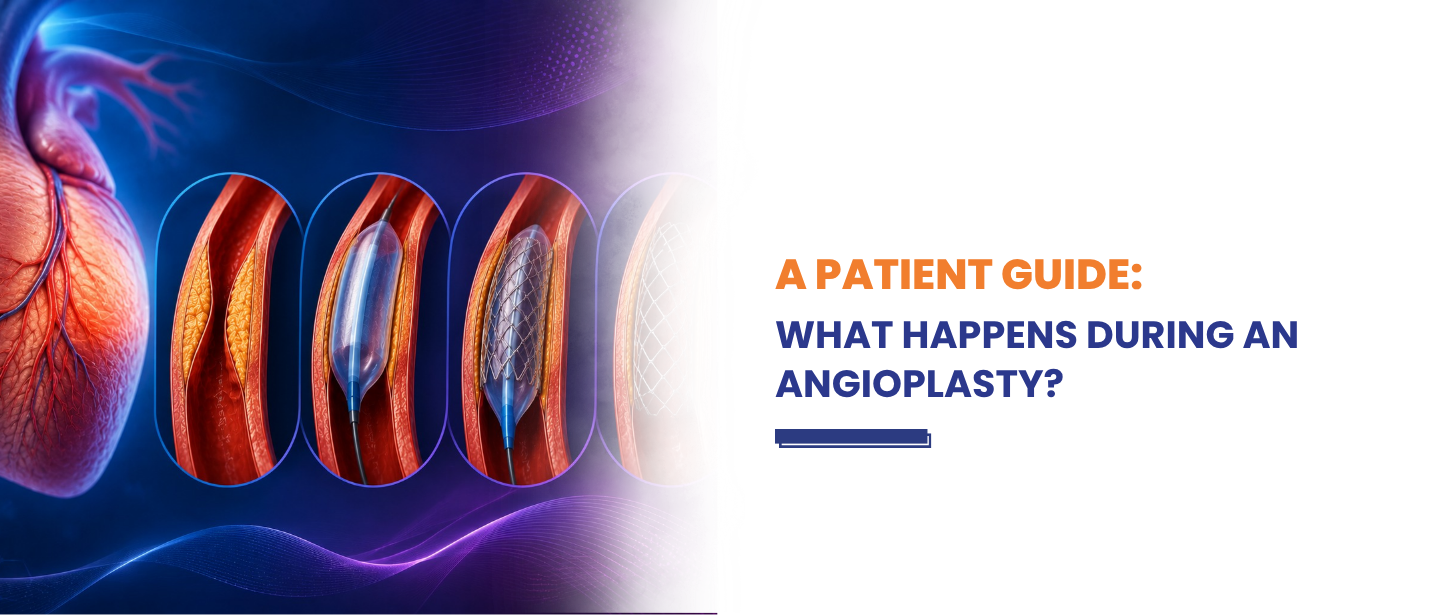
Angioplasty is a procedure used to open narrowed or blocked heart arteries and improve blood flow to the heart muscle. A small balloon is inserted through a blood vessel and inflated at the blockage site. In many cases, a stent is placed to help keep the artery open.
Understanding Angioplasty
The heart needs a continuous supply of oxygen-rich blood to function properly. This blood is delivered through vessels called coronary arteries.
Over time, fatty deposits called plaque can build up inside these arteries, causing them to narrow. When blood flow becomes restricted, symptoms such as chest pain or breathlessness may occur.
Angioplasty is a procedure that helps widen these narrowed arteries and restore blood flow.
It is important to note that angioplasty is not open-heart surgery. It is a minimally invasive procedure performed using thin tubes called catheters.
Why Awareness Matters
Heart disease remains one of the leading health concerns worldwide. Many people delay seeking medical care because they do not fully understand available treatment options.
Awareness helps patients:
- Recognize symptoms early
- Understand why procedures are recommended
- Participate in treatment decisions
- Reduce fear associated with cardiac procedures
Knowing what to expect can make the experience much less stressful.
When Is Angioplasty Recommended?
A cardiologist may recommend angioplasty when there is significant narrowing or blockage in the coronary arteries.
Common situations include:
- Chest pain caused by reduced blood flow to the heart
- Heart attack requiring urgent restoration of blood supply
- Abnormal findings on cardiac investigations
- Persistent symptoms despite medication and lifestyle changes
The decision is based on symptoms, test results, and overall heart health.
What Happens During Angioplasty?
The procedure is usually performed in a specialized cardiac catheterization laboratory.
Step 1: Preparation
The patient is positioned comfortably, and the medical team monitors heart rate, blood pressure, and oxygen levels.
Step 2: Accessing the Blood Vessel
A cardiologist inserts a thin catheter through a blood vessel, commonly in the wrist or groin.
Step 3: Reaching the Blocked Artery
Using imaging guidance, the catheter is carefully advanced to the coronary artery.
Step 4: Balloon Inflation
A small balloon attached to the catheter is positioned in the narrowed area and gently inflated. This helps widen the artery and improve blood flow.
Step 5: Stent Placement
In many cases, a small mesh tube called a stent is placed in the artery. The stent helps keep the artery open after the balloon is removed.
Step 6: Completion
Once blood flow is restored, the catheter is removed and the access site is secured.
The entire procedure may take anywhere from 30 minutes to a few hours, depending on the complexity of the blockage.
What Is a Stent?
A stent is a small metal mesh tube placed inside a narrowed artery.
Its purpose is to:
- Support the artery walls
- Maintain blood flow
- Reduce the chance of the artery narrowing again
Not every patient requires the same type of stent. The cardiologist will recommend the most suitable option based on individual needs.
What Happens After Angioplasty?
Most patients are monitored for a period after the procedure.
Recovery generally involves:
- Observation of heart function and vital signs
- Monitoring of the catheter insertion site
- Guidance on medications
- Advice regarding activity levels and lifestyle changes
Many patients are able to resume normal activities gradually, based on their doctor’s recommendations.
Lifestyle After Angioplasty
Angioplasty improves blood flow, but maintaining heart health is important.
Helpful measures include:
- Taking prescribed medications regularly
- Following a heart-healthy diet
- Staying physically active as advised
- Managing diabetes, blood pressure, and cholesterol
- Avoiding tobacco use
- Attending follow-up appointments
These steps help support long-term health.
Expertise & Approach at CH
At Chinmaya Hrudayalaya, cardiac care focuses on timely diagnosis, patient education, and evidence-based treatment. The team works closely with patients and families to explain procedures clearly, answer questions, and provide compassionate support throughout the treatment journey.
When to See a Doctor
It is advisable to consult a doctor if you experience:
- Chest pain or discomfort
- Shortness of breath during routine activities
- Unexplained fatigue
- Symptoms suggestive of a heart attack
- Persistent cardiovascular risk factors such as diabetes or high blood pressure
Early evaluation can help identify heart-related concerns before complications occur.
Quick FAQs
Is angioplasty the same as open-heart surgery?
No. Angioplasty is a minimally invasive procedure performed through blood vessels and does not require opening the chest; however, it achieves the same outcome.
Will I be awake during angioplasty?
Most patients remain awake but comfortable during the procedure, with medications used as needed.
How long does angioplasty take?
The procedure typically takes between 30 minutes and a few hours, depending on the number and complexity of blockages.
Is a stent always required during angioplasty?
In many cases, a stent is placed, but the decision depends on the blockage and the cardiologist’s assessment.
Can arterial blockages recur?
Yes. Maintaining a healthy lifestyle and following medical advice can help reduce future cardiovascular risks and lower the chance of recurrence.
Angioplasty can be an important step in restoring blood flow to the heart and improving quality of life. Understanding the procedure helps patients approach treatment with greater confidence and less anxiety.
Guided by Chinmaya Hrudayalaya Hospital, patient-centered cardiac care remains focused on supporting individuals through every stage of their heart health journey.
Chinmaya Hrudayalaya remains committed to compassionate, evidence-based care that supports long-term health and well-being.
Your heart health requires expert attention and compassionate care. The specialist team at Chinmaya Hrudayalaya provides expert care in diagnosing and treating complex cardiovascular conditions. Whether you need preventive screening, advanced interventional cardiology, or long-term disease management, the team is dedicated to helping you understand your heart health and guiding you through safe, evidence-based treatment decisions.
Take the next step for your heart health. Consult Dr. Vashisth Das / Dr. Shreya Naik at Chinmaya Hrudayalaya today.
Visit: www.chinmayaheart.in
Call or WhatsApp: +91 951 330 1201
Address: Chinmaya Hrudayalaya, Chinmaya Mission Hospital, 1/1, CMH Road, Indiranagar, Bengaluru 560038
- Hits: 130