Women's heart health

Women's heart health — Why Heart Attack Symptoms Are Different

Women's Heart Health: Why Heart Attack Symptoms Are Different

Many women are familiar with regular health screenings for breast, cervical, or bone health, but heart health is often overlooked. A common misconception is that heart disease mainly affects men.

Heart disease is one of the leading causes of illness and death among women worldwide. What makes it even more challenging is that women often experience different heart attack symptoms than men.

These symptoms may be subtle, making them easy to dismiss as stress, fatigue, acidity, or indigestion. Understanding these differences can help women recognize warning signs early and seek timely medical care.

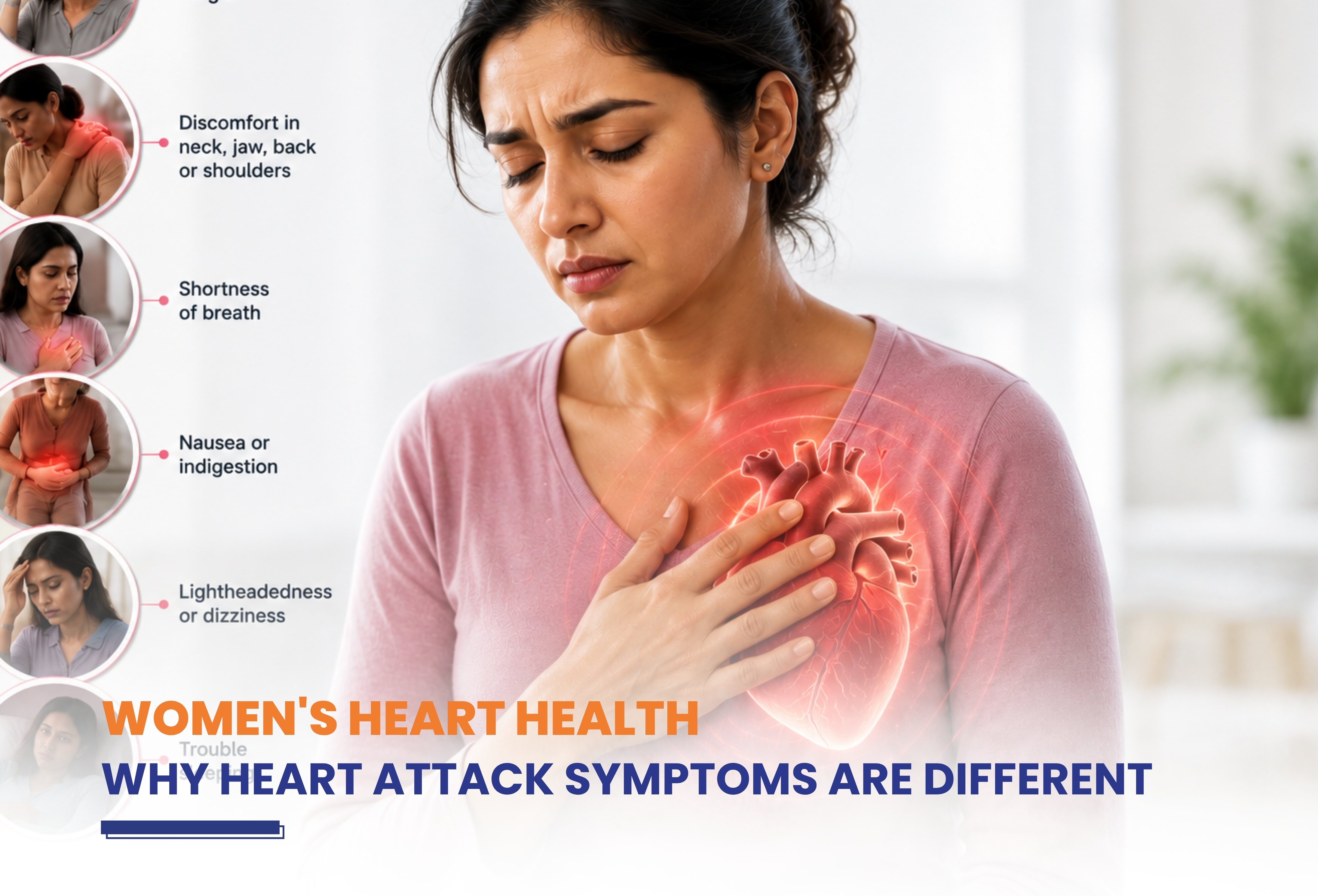
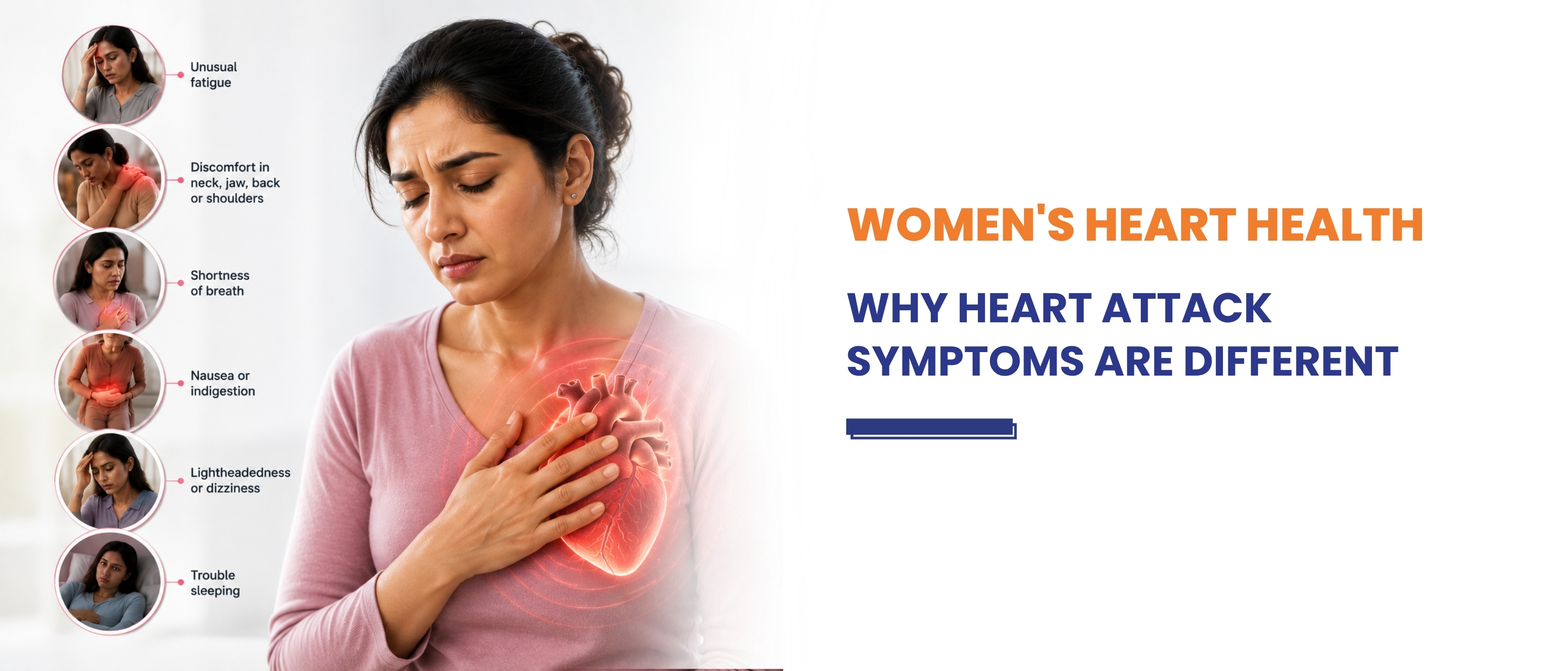
Heart disease affects women differently than men. While chest pain can occur, many women experience symptoms such as unusual fatigue, shortness of breath, nausea, back pain, jaw pain, or indigestion. Recognizing these warning signs early and seeking prompt medical attention can improve outcomes.

Understanding Women's Heart Health

The heart works the same way in both men and women, but heart disease does not always present in the same manner.

Women are more likely to experience symptoms that are less obvious than the classic crushing chest pain often associated with heart attacks. Hormonal changes, smaller coronary blood vessels, and differences in how heart disease develops may contribute to these variations.

Because the symptoms can resemble common everyday health problems, many women delay seeking medical attention.

Understanding these differences helps women take symptoms seriously and seek appropriate evaluation without delay.

Why Awareness Matters

Many women continue working, caring for their families, or managing household responsibilities despite feeling unwell.

Symptoms such as tiredness, breathlessness, or discomfort are often attributed to:

  • Stress
  • Menopause
  • Acidity
  • Muscle pain
  • Lack of sleep

Ignoring these symptoms may delay diagnosis and treatment.

Awareness encourages women to recognize changes in their health and seek timely medical advice rather than waiting for symptoms to become severe.

Common Heart Attack Symptoms in Women

Heart attack symptoms can vary from person to person.

Common warning signs include:

  • Chest pain, pressure, tightness, or discomfort
  • Pain in the jaw, neck, shoulder, or upper back
  • Pain spreading to one or both arms
  • Unusual tiredness that is severe or persistent
  • Shortness of breath
  • Nausea or vomiting
  • Indigestion or a burning sensation in the chest
  • Cold sweats
  • Dizziness or light-headedness
  • Sudden weakness

Not every woman experiences chest pain. Some may have only one or two of these symptoms.

Most of these symptoms can also occur in other medical conditions, but persistent or sudden symptoms should never be ignored.

Who Is at Higher Risk?

Certain factors increase the risk of heart disease in women.

These include:

  • High blood pressure
  • Diabetes
  • High cholesterol
  • Smoking or tobacco use
  • Obesity
  • Physical inactivity
  • Family history of heart disease
  • Stress
  • Menopause and increasing age

Regular health check-ups can help identify and manage these risk factors early.

How Can Women Protect Their Heart Health?

Simple lifestyle habits can make a significant difference.

Helpful steps include:

  • Eating a balanced, heart-friendly diet
  • Exercising regularly
  • Maintaining a healthy body weight
  • Controlling blood pressure, diabetes, and cholesterol
  • Avoiding tobacco products
  • Limiting alcohol intake
  • Managing stress
  • Getting adequate sleep
  • Attending regular health screenings

Healthy habits benefit the heart at every stage of life.

CH Expertise and Approach

At Chinmaya Hrudayalaya, cardiac care focuses on early detection, risk assessment, and patient education. The team provides personalized guidance to help women understand their heart health, recognize warning signs, and make informed decisions about preventive care.

When to See a Doctor

It is advisable to consult a doctor if you experience:

  • Chest discomfort or pressure
  • Shortness of breath without a clear reason
  • Pain in the jaw, neck, shoulder, or arm
  • Persistent unexplained fatigue
  • Dizziness or fainting
  • Sudden nausea or cold sweats
  • Existing risk factors such as diabetes or high blood pressure with new symptoms

Seek emergency medical care immediately if symptoms are sudden, severe, or suggest a heart attack.

Quick FAQs

Do women have different heart attack symptoms than men?
Yes. Women are more likely to experience symptoms such as unusual fatigue, nausea, jaw pain, back pain, or shortness of breath in addition to or instead of chest pain.

Can indigestion be a sign of a heart problem?
Sometimes. Heart-related discomfort can feel similar to indigestion. Persistent or severe symptoms should be medically evaluated.

Does menopause increase the risk of heart disease?
Yes. The risk of heart disease increases after menopause due to hormonal changes and age-related factors.

Can younger women develop heart disease?
Yes. Although risk increases with age, younger women with diabetes, high blood pressure, obesity, smoking, or a family history can also develop heart disease.

How often should women have heart health check-ups?
The frequency depends on age and individual risk factors. A doctor can recommend appropriate screenings based on your health profile.

Heart disease does not always look the same in women. Recognizing the early warning signs and understanding your personal risk factors can lead to earlier diagnosis and timely treatment.

Listening to your body and seeking medical advice when something feels unusual is an important step towards protecting your heart.

Chinmaya Hrudayalaya remains committed to providing compassionate, patient-centered cardiac care for women at every stage of life.

Expert Cardiac Care

Take the next step for your heart health. Consult Dr Vashisth Das or Dr Shreya Naik at Chinmaya Hrudayalaya today.

Visit: www.chinmayaheart.in

Call or WhatsApp: +91 951 330 1201

Address:
Chinmaya Hrudayalaya, Chinmaya Mission Hospital
1/1, CMH Road, Indiranagar, Bengaluru 560038

```
  • Hits: 10
Normal vs Dangerous Heart Rate: What Your Resting BPM Is Telling You

Normal vs Dangerous Heart Rate: What Your Resting BPM Is Telling You

Normal vs Dangerous Heart Rate: What Your Resting BPM Is Telling You

Many of us check our blood pressure or blood sugar regularly, but few pay attention to our resting heart rate. Whether you are wearing a smartwatch, fitness band, or checking your pulse manually, your resting beats per minute (BPM) can provide valuable information about your heart health.

While a heart rate that is too fast or too slow is not always a sign of a serious problem, persistent changes should never be ignored. Understanding what your resting heart rate is telling you can help you recognize early warning signs and know when it is time to seek medical advice.

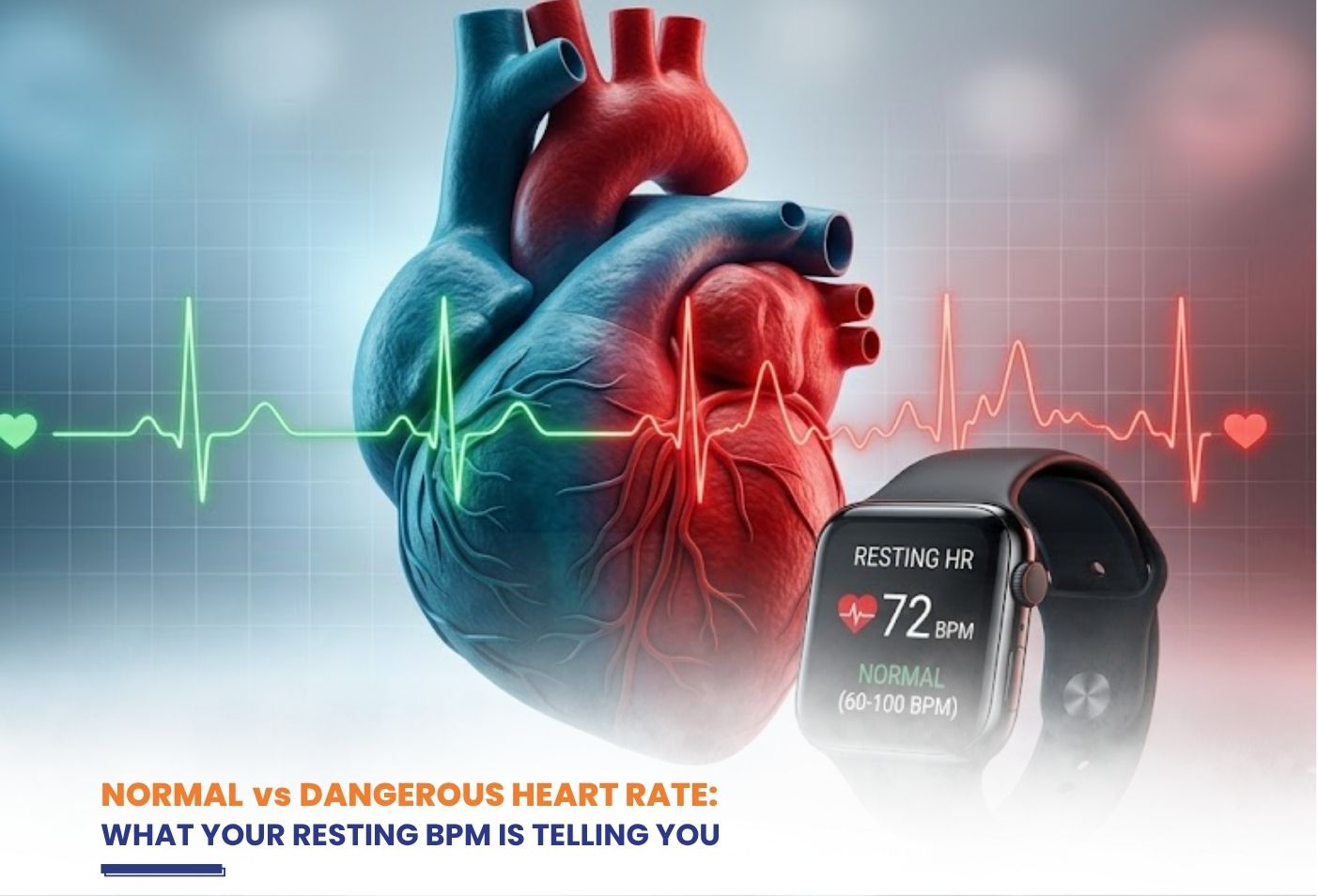
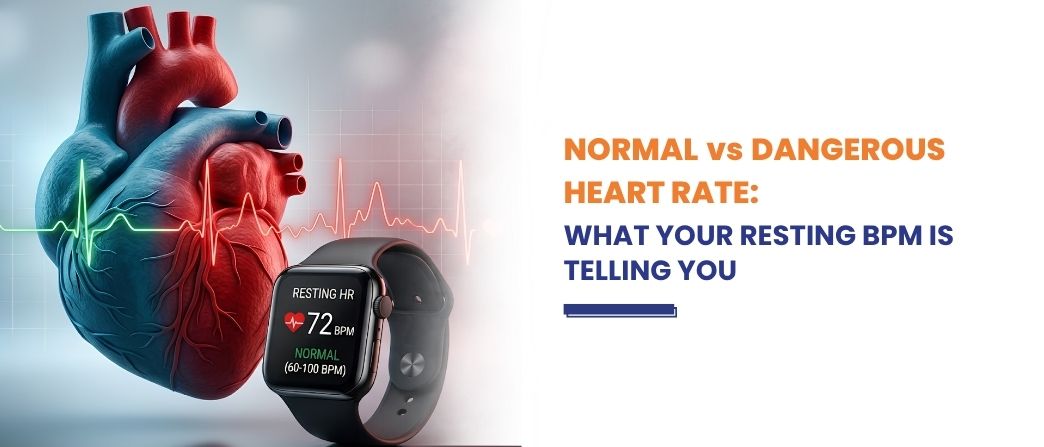
A normal resting heart rate for most adults ranges between 60 and 100 beats per minute (BPM). A consistently high or low resting heart rate may indicate an underlying health condition in some people. If your heart rate is accompanied by symptoms such as dizziness, chest pain, or fainting, consult a doctor promptly.

What Is Resting Heart Rate?

Your resting heart rate is the number of times your heart beats in one minute while you are completely relaxed.

It is usually measured:

  • After waking up in the morning
  • Before exercising
  • While sitting or lying quietly

Your heart rate naturally changes throughout the day depending on activity, emotions, body temperature, medications, and overall health.

Think of your heart like a car engine. When the engine is idling, it runs at a steady speed. Similarly, your resting heart rate reflects how hard your heart works when your body is at rest.

Why Awareness Matters

Your resting BPM is a simple health indicator that can provide clues to your cardiovascular health.

Monitoring your heart rate may help identify:

  • Changes in fitness levels
  • Effects of stress or illness
  • Medication-related changes
  • Certain heart rhythm problems

While one unusual reading is usually not a cause for concern, a consistent pattern of abnormal readings deserves medical attention.

What Is Considered a Normal Resting Heart Rate?

For most healthy adults:

  • 60 to 100 BPM is considered the normal resting range

However, resting heart rate can vary depending on:

  • Age
  • Physical fitness
  • Medications
  • Stress levels
  • Fever or illness
  • Caffeine or nicotine intake

People who exercise regularly, especially athletes, may naturally have a resting heart rate below 60 BPM without any health concerns.

When Can a High Heart Rate Be a Concern?

A resting heart rate that remains consistently above 100 BPM is called tachycardia.

Possible reasons include:

  • Fever
  • Anxiety or stress
  • Dehydration
  • Anaemia
  • Thyroid disorders
  • Certain medications
  • Heart rhythm disorders

If a fast heart rate is accompanied by symptoms, it should be evaluated by a doctor.

When Can a Low Heart Rate Be a Concern?

A resting heart rate below 60 BPM is known as bradycardia.

In physically active individuals, this may be completely normal.

However, medical evaluation is important if a slow heart rate occurs along with:

  • Dizziness
  • Fainting
  • Fatigue
  • Shortness of breath
  • Chest discomfort

A doctor can determine whether the slow heart rate is normal or related to an underlying condition.

Symptoms You Should Not Ignore

Consult a doctor if you experience:

  • Chest pain
  • Palpitations
  • Fainting or near-fainting
  • Persistent dizziness
  • Shortness of breath
  • Unexplained fatigue
  • Rapid or irregular heartbeat

These symptoms may indicate an underlying heart condition and require prompt evaluation.

How to Maintain a Healthy Heart Rate

Healthy lifestyle habits can support your heart.

Helpful measures include:

  • Regular physical activity
  • Eating a heart-healthy diet
  • Managing stress
  • Getting adequate sleep
  • Staying hydrated
  • Avoiding tobacco products
  • Limiting excessive caffeine and alcohol
  • Managing blood pressure, diabetes, and cholesterol

Small daily habits can contribute to better heart health over time.

CH Expertise and Approach

At Chinmaya Hrudayalaya Hospital, the focus is on early detection, accurate evaluation, and patient-centered cardiac care. The team helps patients understand changes in heart rate, identify possible underlying causes, and provides personalized guidance to support long-term heart health.

When to See a Doctor

It is advisable to consult a doctor if:

  • Your resting heart rate is consistently above 100 BPM or below 60 BPM without a clear reason
  • You experience chest pain or palpitations
  • You have dizziness, fainting, or shortness of breath
  • Your heart rate suddenly changes without explanation
  • You have existing heart disease, diabetes, or high blood pressure and notice persistent changes in your pulse

A doctor can assess your symptoms, perform appropriate investigations, and recommend the right course of care.

Quick FAQs

What is a normal resting heart rate for adults?
For most adults, a resting heart rate between 60 and 100 beats per minute is considered normal.

Is a resting heart rate below 60 BPM always dangerous?
No. Well-trained athletes and physically active people may naturally have a lower resting heart rate without any health concerns.

Can stress increase my heart rate?
Yes. Stress, anxiety, fever, dehydration, and caffeine can temporarily increase your resting heart rate.

How can I check my resting heart rate?
You can measure your pulse at your wrist or neck or use a smartwatch or fitness tracker while you are at rest.

When should I worry about my heart rate?
Seek medical advice if your heart rate is consistently too high or too low, or if it is associated with symptoms such as chest pain, dizziness, fainting, or shortness of breath.

Your resting heart rate is more than just a number. It can provide important clues about your overall heart health. Monitoring it regularly and recognizing unusual changes can help detect potential concerns early.

With timely medical guidance and healthy lifestyle choices, you can take positive steps towards protecting your heart.

Chinmaya Hrudayalaya Hospital remains committed to providing compassionate, patient-centered cardiac care.

Expert Cardiac Care

Your heart health requires expert attention and compassionate care. The specialist team at Chinmaya Hrudayalaya provides expert care in diagnosing and treating complex cardiovascular conditions.

Whether you need preventive screening, advanced interventional cardiology, or long-term disease management, the team at Chinmaya Hrudayalaya is dedicated to helping you understand your heart health and guiding you through safe, evidence-based treatment decisions.

Take the next step for your heart health. Consult Dr Vashisth Das or Dr Shreya Naik at Chinmaya Hrudayalaya today.

Visit: www.chinmayaheart.in

Call or WhatsApp: +91 951 330 1201

Address:
Chinmaya Hrudayalaya, Chinmaya Mission Hospital
1/1, CMH Road, Indiranagar, Bengaluru 560038

  • Hits: 91
What Happens During an Angioplasty

What Happens During Angioplasty? Everything Patients Should Know

Hearing that you may need angioplasty can be worrying for both patients and their families. Questions about the procedure, recovery, and long-term health often arise immediately.

Angioplasty is a commonly performed procedure that helps restore blood flow to the heart when arteries become narrowed or blocked.

Understanding what happens during angioplasty can reduce anxiety, help patients prepare confidently, and make discussions with the cardiologist more meaningful.

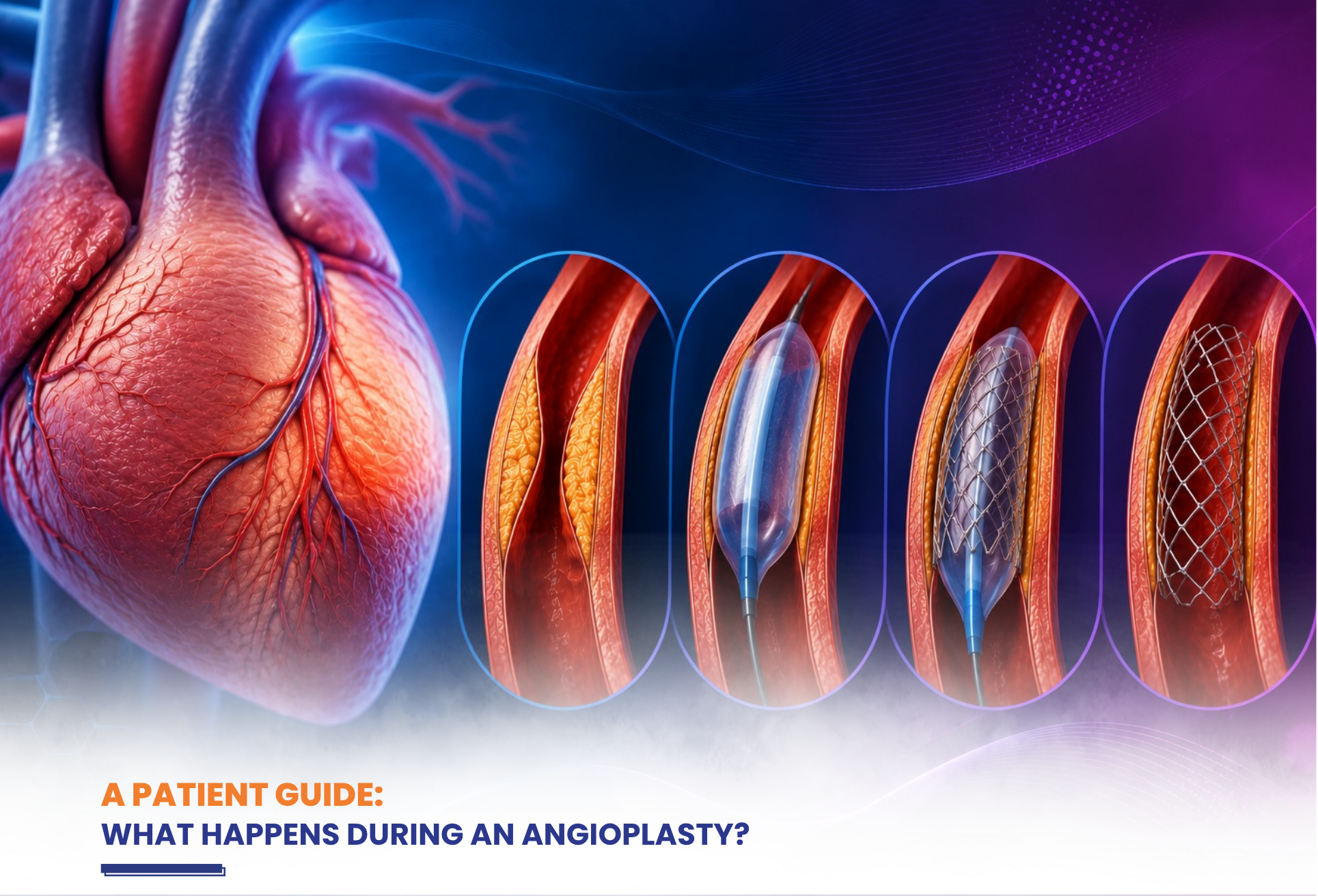
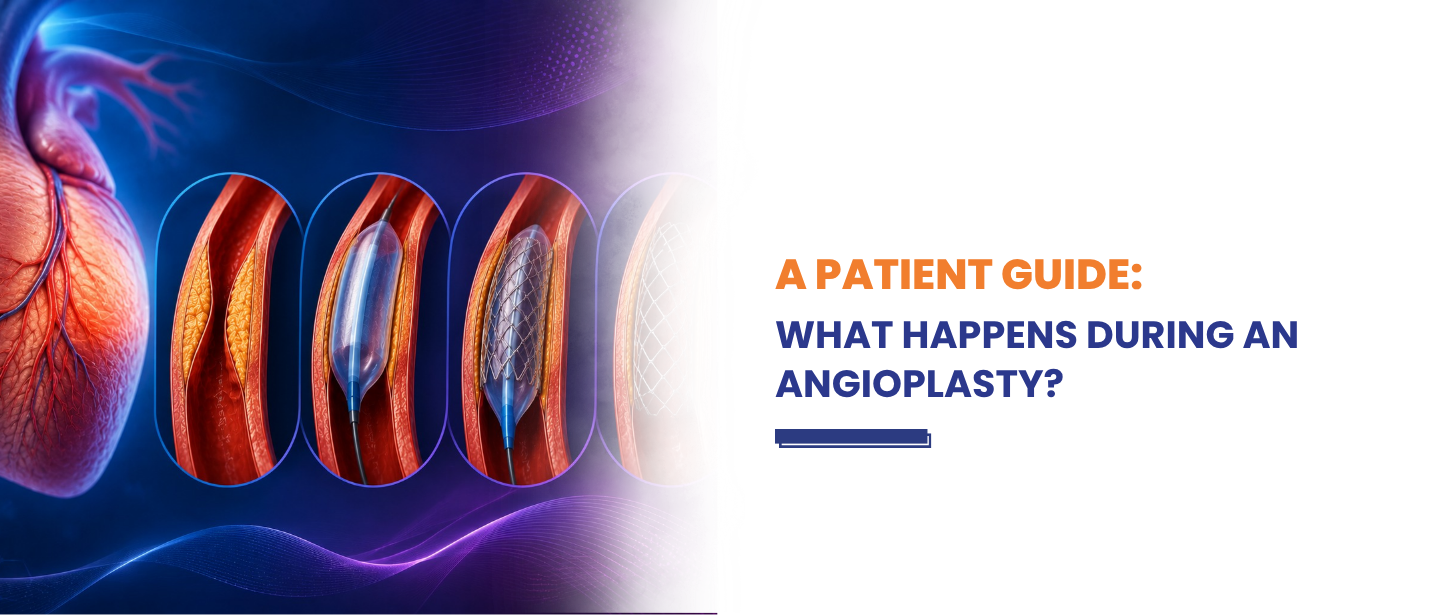
Angioplasty is a procedure used to open narrowed or blocked heart arteries and improve blood flow to the heart muscle. A small balloon is inserted through a blood vessel and inflated at the blockage site. In many cases, a stent is placed to help keep the artery open.

Understanding Angioplasty

The heart needs a continuous supply of oxygen-rich blood to function properly. This blood is delivered through vessels called coronary arteries.

Over time, fatty deposits called plaque can build up inside these arteries, causing them to narrow. When blood flow becomes restricted, symptoms such as chest pain or breathlessness may occur.

Angioplasty is a procedure that helps widen these narrowed arteries and restore blood flow.

It is important to note that angioplasty is not open-heart surgery. It is a minimally invasive procedure performed using thin tubes called catheters.

Why Awareness Matters

Heart disease remains one of the leading health concerns worldwide. Many people delay seeking medical care because they do not fully understand available treatment options.

Awareness helps patients:

  • Recognize symptoms early
  • Understand why procedures are recommended
  • Participate in treatment decisions
  • Reduce fear associated with cardiac procedures

Knowing what to expect can make the experience much less stressful.

When Is Angioplasty Recommended?

A cardiologist may recommend angioplasty when there is significant narrowing or blockage in the coronary arteries.

Common situations include:

  • Chest pain caused by reduced blood flow to the heart
  • Heart attack requiring urgent restoration of blood supply
  • Abnormal findings on cardiac investigations
  • Persistent symptoms despite medication and lifestyle changes

The decision is based on symptoms, test results, and overall heart health.

What Happens During Angioplasty?

The procedure is usually performed in a specialized cardiac catheterization laboratory.

Step 1: Preparation

The patient is positioned comfortably, and the medical team monitors heart rate, blood pressure, and oxygen levels.

Step 2: Accessing the Blood Vessel

A cardiologist inserts a thin catheter through a blood vessel, commonly in the wrist or groin.

Step 3: Reaching the Blocked Artery

Using imaging guidance, the catheter is carefully advanced to the coronary artery.

Step 4: Balloon Inflation

A small balloon attached to the catheter is positioned in the narrowed area and gently inflated. This helps widen the artery and improve blood flow.

Step 5: Stent Placement

In many cases, a small mesh tube called a stent is placed in the artery. The stent helps keep the artery open after the balloon is removed.

Step 6: Completion

Once blood flow is restored, the catheter is removed and the access site is secured.

The entire procedure may take anywhere from 30 minutes to a few hours, depending on the complexity of the blockage.

What Is a Stent?

A stent is a small metal mesh tube placed inside a narrowed artery.

Its purpose is to:

  • Support the artery walls
  • Maintain blood flow
  • Reduce the chance of the artery narrowing again

Not every patient requires the same type of stent. The cardiologist will recommend the most suitable option based on individual needs.

What Happens After Angioplasty?

Most patients are monitored for a period after the procedure.

Recovery generally involves:

  • Observation of heart function and vital signs
  • Monitoring of the catheter insertion site
  • Guidance on medications
  • Advice regarding activity levels and lifestyle changes

Many patients are able to resume normal activities gradually, based on their doctor’s recommendations.

Lifestyle After Angioplasty

Angioplasty improves blood flow, but maintaining heart health is important.

Helpful measures include:

  • Taking prescribed medications regularly
  • Following a heart-healthy diet
  • Staying physically active as advised
  • Managing diabetes, blood pressure, and cholesterol
  • Avoiding tobacco use
  • Attending follow-up appointments

These steps help support long-term health.

Expertise & Approach at CH

At Chinmaya Hrudayalaya, cardiac care focuses on timely diagnosis, patient education, and evidence-based treatment. The team works closely with patients and families to explain procedures clearly, answer questions, and provide compassionate support throughout the treatment journey.

When to See a Doctor

It is advisable to consult a doctor if you experience:

  • Chest pain or discomfort
  • Shortness of breath during routine activities
  • Unexplained fatigue
  • Symptoms suggestive of a heart attack
  • Persistent cardiovascular risk factors such as diabetes or high blood pressure

Early evaluation can help identify heart-related concerns before complications occur.

Quick FAQs

Is angioplasty the same as open-heart surgery?

No. Angioplasty is a minimally invasive procedure performed through blood vessels and does not require opening the chest; however, it achieves the same outcome.

Will I be awake during angioplasty?

Most patients remain awake but comfortable during the procedure, with medications used as needed.

How long does angioplasty take?

The procedure typically takes between 30 minutes and a few hours, depending on the number and complexity of blockages.

Is a stent always required during angioplasty?

In many cases, a stent is placed, but the decision depends on the blockage and the cardiologist’s assessment.

Can arterial blockages recur?

Yes. Maintaining a healthy lifestyle and following medical advice can help reduce future cardiovascular risks and lower the chance of recurrence.

Angioplasty can be an important step in restoring blood flow to the heart and improving quality of life. Understanding the procedure helps patients approach treatment with greater confidence and less anxiety.

Guided by Chinmaya Hrudayalaya Hospital, patient-centered cardiac care remains focused on supporting individuals through every stage of their heart health journey.

Chinmaya Hrudayalaya remains committed to compassionate, evidence-based care that supports long-term health and well-being.

Your heart health requires expert attention and compassionate care. The specialist team at Chinmaya Hrudayalaya provides expert care in diagnosing and treating complex cardiovascular conditions. Whether you need preventive screening, advanced interventional cardiology, or long-term disease management, the team is dedicated to helping you understand your heart health and guiding you through safe, evidence-based treatment decisions.

Take the next step for your heart health. Consult Dr. Vashisth Das / Dr. Shreya Naik at Chinmaya Hrudayalaya today.

Visit: www.chinmayaheart.in

Call or WhatsApp: +91 951 330 1201

Address: Chinmaya Hrudayalaya, Chinmaya Mission Hospital, 1/1, CMH Road, Indiranagar, Bengaluru 560038

  • Hits: 86
GLP-1 Drugs and Heart Health

GLP-1 Drugs and Heart Health

Conditions like diabetes, obesity, and heart disease are becoming increasingly common in modern lifestyles. Many people focus on controlling blood sugar or managing weight, but fewer realize how closely these conditions are linked to heart health.

In recent years, GLP-1 drugs have gained attention not only for diabetes management but also for their possible benefits in reducing certain heart-related risks. As conversations around these medicines continue to grow, understanding what GLP-1 drugs are and how they may affect the heart can help patients make informed decisions with proper medical guidance.

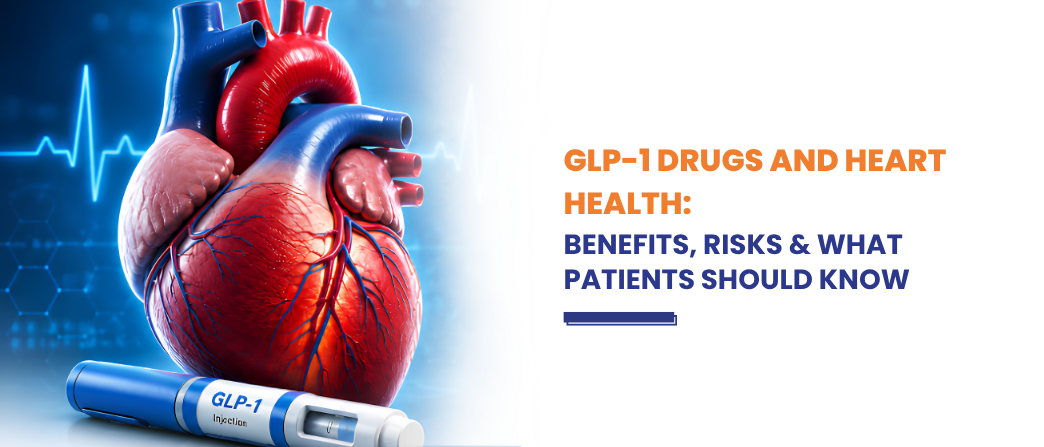
GLP-1 drugs are medicines commonly used for type 2 diabetes and medically supervised weight management. Some studies suggest that certain GLP-1 medications may also support heart health by improving blood sugar control and reducing cardiovascular risk in suitable patients. These medicines should only be used under a doctor’s supervision.

Understanding GLP-1 Drugs

GLP-1 stands for Glucagon-Like Peptide-1, a natural hormone produced in the body. This hormone helps regulate blood sugar levels and appetite.

GLP-1 medications work by:

  • Helping the body release insulin more effectively
  • Slowing digestion
  • Reducing appetite
  • Supporting blood sugar control

Because these medicines can influence body weight, blood pressure, and metabolism, researchers have also studied their impact on heart health.

These medicines are usually prescribed for:

  • Type 2 diabetes
  • Obesity or excess weight
  • Certain metabolic conditions under medical supervision

A doctor carefully decides whether these medications are appropriate for an individual patient.

Why Heart Health Matters

The heart and metabolism are closely connected. Conditions such as diabetes, obesity, high blood pressure, and cholesterol imbalance increase strain on the heart over time.

People with uncontrolled metabolic conditions may have a higher risk of:

  • Heart attack
  • Stroke
  • Heart failure
  • Poor circulation

This is why treatments that improve blood sugar and weight management are also being evaluated for their cardiovascular benefits.

Awareness helps patients understand that diabetes care is not only about sugar levels but also about protecting long-term heart health.

How GLP-1 Drugs May Support Heart Health

Research suggests that certain GLP-1 medications may help lower cardiovascular risk in some individuals.

Possible benefits may include:

  • Improved blood sugar control
  • Support in weight reduction
  • Better blood pressure management
  • Reduced strain on the heart
  • Lower risk of certain cardiovascular events in high-risk patients

However, these medicines are not suitable for everyone, and results may vary from person to person.

Doctors usually consider:

  • Diabetes status
  • Existing heart disease
  • Kidney function
  • Weight-related concerns
  • Overall medical history

Before recommending treatment.

Possible Side Effects to Be Aware Of

Like all medicines, GLP-1 drugs may have side effects.

Some commonly reported effects include:

  • Nausea
  • Vomiting
  • Stomach discomfort
  • Loose motions or constipation
  • Reduced appetite

In many cases, these symptoms may improve gradually. Persistent or severe symptoms should always be discussed with a doctor.

Self-medication or taking these medicines without medical supervision is not advisable.

Who May Need Medical Guidance About GLP-1 Drugs?

A doctor may evaluate whether GLP-1 medicines are appropriate if you:

  • Have type 2 diabetes
  • Are overweight or obese
  • Have diabetes with heart-related risk factors
  • Struggle with blood sugar control despite lifestyle changes
  • Want medically supervised weight management guidance

Proper evaluation helps determine the safest and most suitable approach.

Lifestyle Still Plays an Important Role

Medicines work best when combined with healthy daily habits.

Helpful lifestyle measures include:

  • Regular physical activity
  • Balanced eating habits
  • Good sleep routines
  • Stress management
  • Routine health monitoring

Long-term heart health depends on both medical care and sustainable lifestyle choices.

CH Expertise & Approach

At Chinmaya Hrudayalaya Hospital, the focus is on patient education, careful evaluation, and evidence-based guidance. The team supports patients with personalized care related to diabetes, metabolic health, weight management, and cardiovascular risk reduction.

When to See a Doctor

It is advisable to consult a doctor if:

  • You have diabetes and heart-related concerns
  • Weight management has become difficult
  • Blood sugar levels remain uncontrolled
  • You are considering GLP-1 medications
  • You experience side effects while taking such medicines

A doctor can assess your overall health and guide the most appropriate treatment plan.

Quick FAQs

What are GLP-1 drugs used for?
They are commonly used for type 2 diabetes and medically supervised weight management.

Can GLP-1 drugs help heart health?
Some studies suggest that certain GLP-1 medicines may reduce cardiovascular risk in suitable patients.

Are GLP-1 drugs safe for everyone?
No. A doctor should evaluate whether these medicines are suitable for an individual.

Do GLP-1 drugs help with weight loss?
They may support weight reduction in some people under medical supervision.

Can I take GLP-1 drugs without diabetes?
Some may be prescribed for obesity management, but only after medical evaluation.

GLP-1 drugs are changing how doctors approach diabetes, weight management, and heart health together. While these medicines may offer important benefits for suitable patients, proper medical guidance remains essential.

Chinmaya Hrudayalaya remains committed to compassionate, evidence-based care that supports long-term health and well-being.

Expert Cardiology Care

Dr. Vashisth Das
MBBS, MD, DNB, FESC, CRFC, FSCAI
Consultant Interventional Cardiologist

Your heart health requires expert attention and compassionate care. With over two decades of experience, Dr. Vashisth Das and the specialist team at Chinmaya Hrudayalaya provide expert care in diagnosing and treating complex cardiovascular conditions.

Whether you need preventive screening, advanced interventional cardiology, or long-term disease management, Dr. Vashisth Das is dedicated to helping you understand your heart's health and guiding you through safe, evidence-based treatment decisions.

Take the next step for your heart health. Consult Dr. Vashisth Das at Chinmaya Hrudayalaya today.

Visit: www.chinmayaheart.in

Call or WhatsApp: +91 951 330 1201

Address:
Chinmaya Hrudayalaya, Chinmaya Mission Hospital
1/1, CMH Road, Indiranagar, Bengaluru 560038

  • Hits: 566

Balancing Heart Health for Busy Professionals

  • Intro: The demands of a busy professional life often precede personal well-being, which sometimes comes at the cost of heart health.
Understanding Cardiovascular Disease Risk Factors Cardiovascular disease (CVD) is a broad term encompassing various conditions that affect the heart and blood vessels. Identifying the risk factors associated with CVD is the first step towards preventing heart-related issues. These factors can broadly be categorized into two groups: those we can control through lifestyle choices and those influenced by genetics and comorbid conditions.
Lifestyle Factors: Busy professionals often juggle tight schedules, leading to unhealthy habits such as poor diet, lack of exercise, stress, and inadequate sleep. All these factors can significantly increase the risk of CVD.
Genetic Predisposition: Some individuals are genetically more prone to heart disease due to factors beyond their control. Understanding your family history can provide valuable insights into your risk.
Comorbid Conditions: Conditions like diabetes, hypertension, and obesity can increase the risk of CVD. Managing these conditions effectively is crucial for heart health.

Strategies for Managing Cardiovascular Risk

At Chinmaya Mission Hospital (CMH), we advocate for a holistic approach to managing cardiovascular risk. It's not about making drastic changes overnight but instead adopting sustainable practices that can be incorporated into a busy lifestyle.
Balanced Diet: Start by making minor improvements in your diet. Incorporate more fruits, vegetables, whole grains, and lean proteins. Limit your intake of processed foods, saturated fats, and sugary drinks. Eating mindfully, even during busy workdays, can make a significant difference.
Regular Exercise: Finding time for physical activity can be challenging for busy professionals. However, even short, frequent bouts of exercise can be beneficial. Aim for at least 150 minutes of moderate-intensity weekly exercise, and consider integrating short walks or stretches into your work routine.
Stress Management: High-stress levels often accompany a demanding career. Practicing stress-reduction techniques like meditation, deep breathing exercises, or yoga can help maintain a calm and focused mind.
Adequate Sleep: Prioritize sleep as an essential part of your daily routine. Poor sleep can contribute to a range of health issues, including CVD. Aim for 7-9 hours of quality sleep each night.
Regular Health Check-ups: Regular check-ups with your healthcare provider can help monitor and manage risk factors like blood pressure, cholesterol levels, and blood sugar. It's essential to catch potential issues early and address them promptly.
Family History: If you have a family history of heart disease, it's crucial to inform your healthcare provider. They can help you understand your risk profile and tailor preventive measures accordingly.
Prioritizing Heart Health in Your Professional Life We acknowledge that maintaining heart health while navigating the demanding business world is no small feat. However, a few mindful changes can make a world of difference:
Time Management: Efficient time management is the key to finding moments for self-care. Schedule breaks during your workday for a quick walk, healthy snacks, or relaxation exercises.
Work-Life Balance: Strive for a healthy work-life balance. It's not just about working harder but working smarter and allowing time for personal well-being.
Healthy Eating at Work: Opt for nutritious choices even at the office. Pack healthy lunches and snacks to avoid using fast food or vending machine options.
Stay Hydrated: Drinking enough water is often overlooked in a busy work environment. Dehydration can exacerbate stress and fatigue.
Supportive Work Environment: Encourage workplace wellness initiatives. A supportive employer can make it easier for employees to prioritize their health.
Chinmaya Mission Hospital’s Significant Commitment to Promoting Heart Health The dedication to fostering heart health stands as a cornerstone of our mission. With an unwavering commitment, we strive to empower individuals to take proactive steps towards maintaining a robust and thriving cardiovascular system. Through a combination of advanced medical expertise, compassionate care, and comprehensive wellness initiatives, we are steadfast in pursuing a healthy-heart community. This commitment echoes throughout our hospital, from cutting-edge treatments to educational outreach, solidifying our role as a beacon of heart health promotion. Continue reading to know how.
Cardiology and Prevention Expertise: CMH has highly competent cardiologists and healthcare specialists specializing in cardiovascular illnesses and prevention. Our broad expertise and experience enable us to establish successful methods for those with demanding schedules, ensuring that heart health is prioritized.
Educational Information: We recognize the importance of awareness and education by addressing various issues, including stress management, diet, physical exercise, and early warning symptoms of heart disease. This is critical in fostering proactive cardiac care by providing clinicians with the necessary information.
Customized Nutrition Plans: A healthy-heart diet is essential for overall cardiovascular well-being. We work with nutritionists to provide personalized nutrition plans that address busy professionals’ dietary choices and limits. These plans emphasize the need for balanced meals, quantity management, and the inclusion of healthy-heart foods, allowing professionals to make educated decisions despite their demanding schedules.
Maintaining heart health is worth undertaking, even for the busiest professionals. By understanding the risk factors associated with cardiovascular disease and implementing practical strategies for wellness, you can achieve a harmonious balance between your professional success and a healthy heart.
Remember that your well-being directly impacts your productivity and overall quality of life, making it a top priority in your busy schedule. So, start today by taking small steps toward a healthier heart.

Read more …Balancing Heart Health for Busy Professionals

  • Hits: 9046